


EANS2025 Day 3
-Advancing Neurosurgery through Science and Recognition-
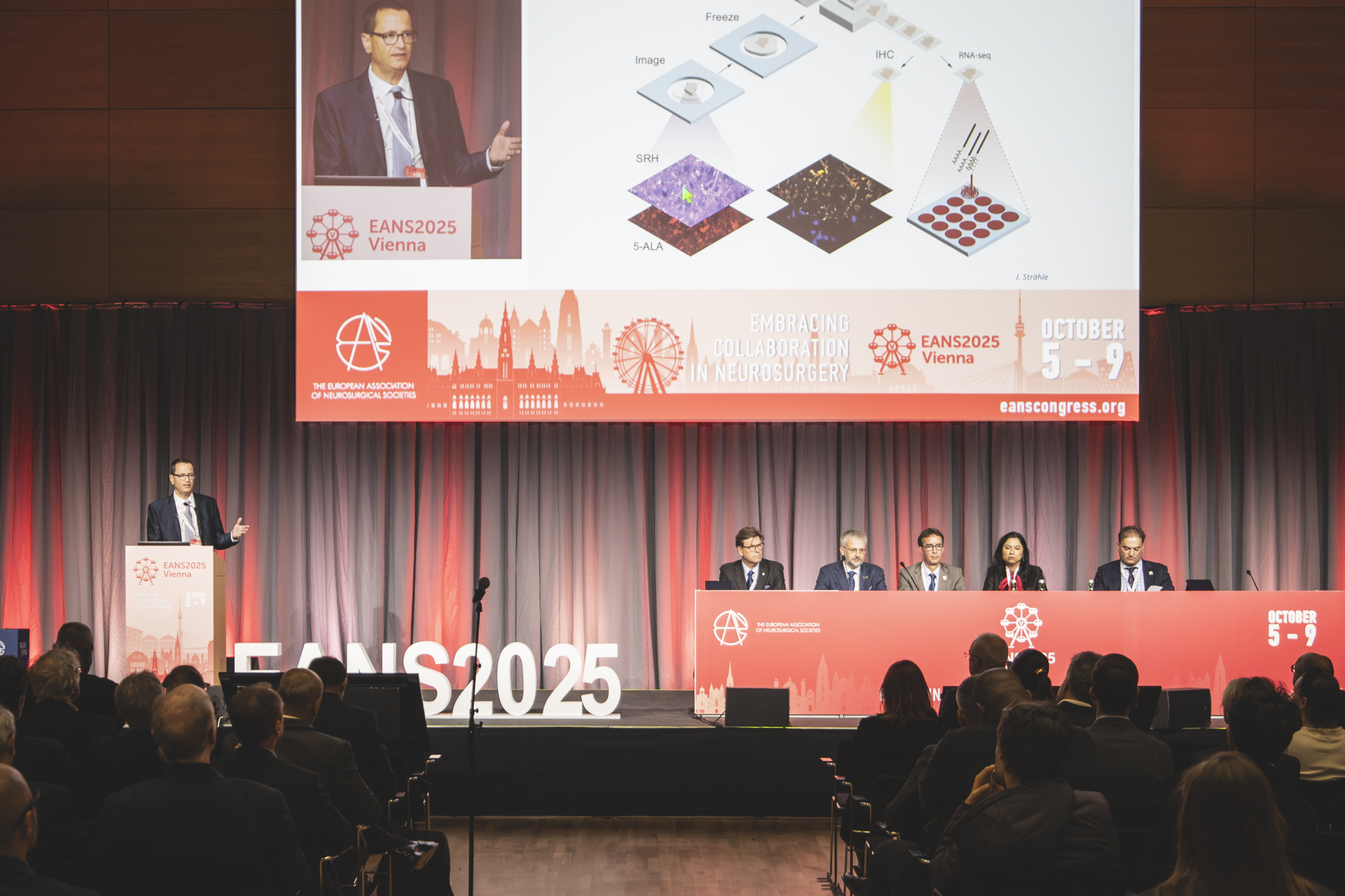
Knowledge doesn’t come for free — sometimes it costs a warm bed and a good excuse for being up before sunrise. But for many neurosurgeons, that price was gladly paid to attend the early morning parallel sessions.
In these sessions, specialists came together to share new studies and personal techniques — spanning neuro-oncology, vascular, spine, skull base, and peripheral nerve surgery. Topics ranged from immunology, brain metastases, and cavernomas to spinal trauma, endoscopic skull base approaches, and advances in intraoperative imaging. Highlights included the session on ruptured aneurysms and subarachnoid hemorrhage, where a multicenter validation study on predicting shunt dependency after SAH provided important new data for improving patient care. In the President’s Session, Ulrich Sure presented fascinating findings on cranioencephalic functional lymphoid units in glioblastoma, a promising field for ongoing research. The NORDSTEN study, presented by Ivar Magne Austevoll, showed five-year results of a randomised, multicenter, non-inferiority trial comparing fusion versus decompression in degenerative spondylolisthesis, confirming that simple decompression remains effective even in the long term. David Netuka reported the results of the randomised Sonolysis trial during carotid endarterectomy, demonstrating a significant reduction in the composite incidence of ischemic stroke, TIA, and death within 30 days. Equally inspiring was the presentation by Anders Schack, proving that residents can lead impactful clinical research. His study showed that antithrombotic therapy may safely resume seven days after surgery for chronic subdural hematoma — a finding with direct implications for daily practice.
Throughout the day, discussions bridged subspecialties, demonstrating how much progress depends on learning from one another — exactly what embracing collaboration in neurosurgery stands for. The proximity of lecture halls and easy access to the industry exhibition fostered exchange among colleagues and friends alike.
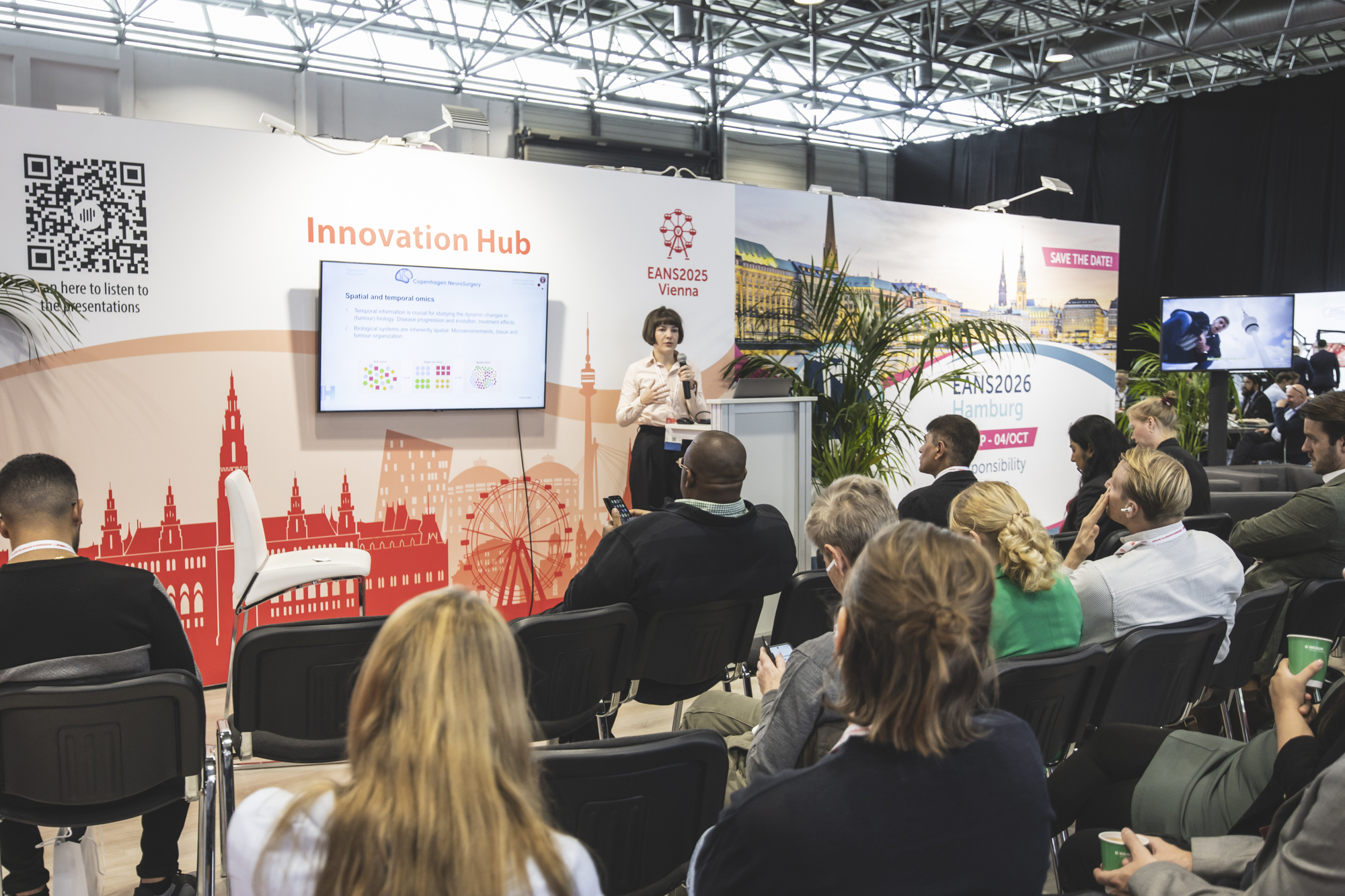
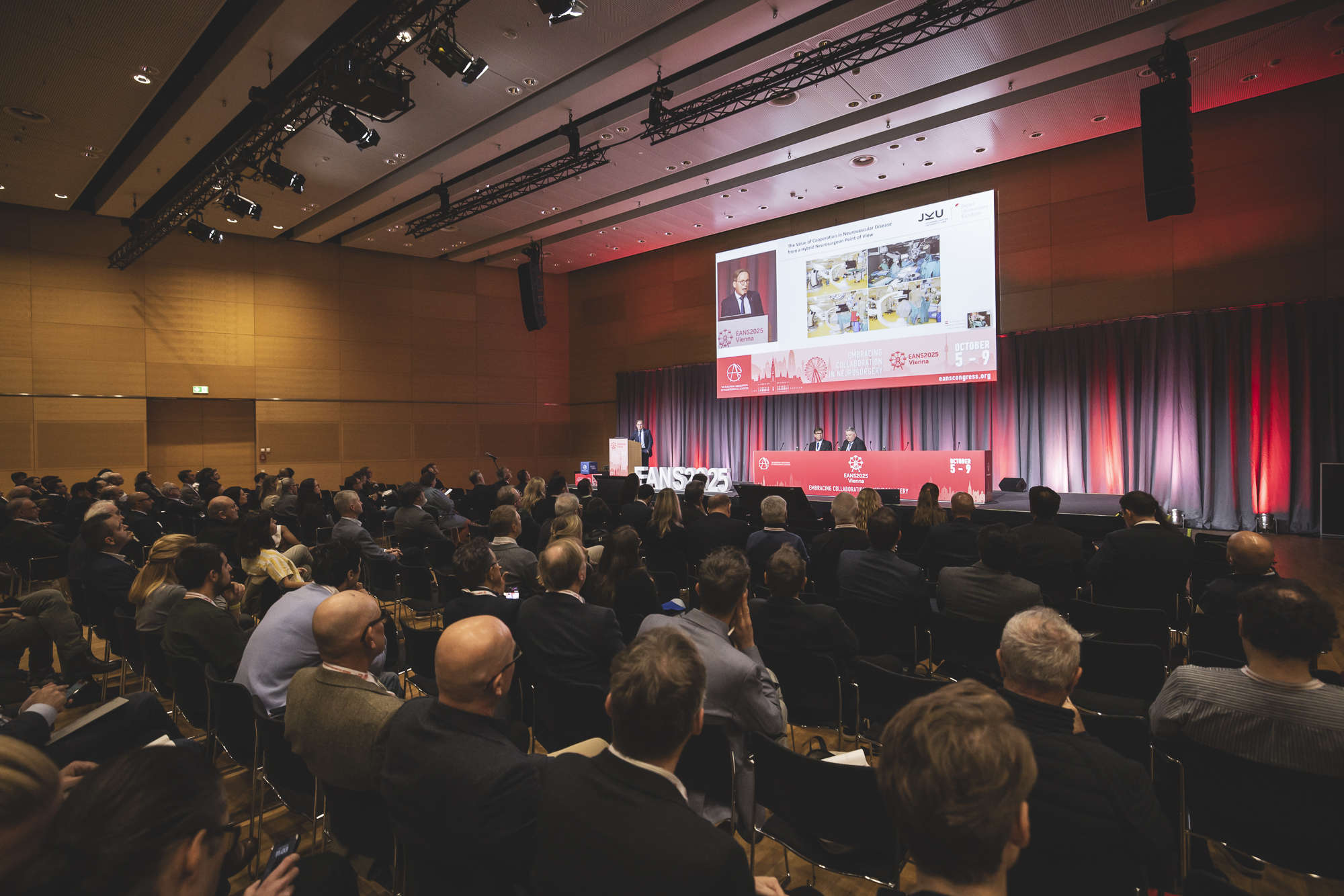
The Vascular Plenary Session emphasised the importance of cooperation and specialisation in neurovascular care. It became clear that optimal outcomes arise when neurosurgeons, endovascular specialists, and radiosurgeons collaborate to develop tailored treatment strategies.
The plenary session on Microsurgery in the Era of Radiosurgery brought another vital discussion about interdisciplinary balance. Luigi Maria Cavallo examined whether complete removal of pituitary adenomas is always necessary, identifying a minority of “unconventional adenomas” responsible for most complications. In his series, gross total resection was achieved in 50% of cases, while radiotherapy and radiosurgery were highlighted as natural complementary therapies. Pierre Roche presented the Marseille policy for vestibular schwannoma management, which involves reserving surgery for larger tumours and treating smaller ones with radiosurgery. With only 1.3% facial nerve deficit, 59% hearing preservation, and high tumor control rates, radiosurgery continues to redefine functional outcomes in smaller tumors. In the larger, surgically treated cases, 84% achieved House-Brackmann grade I–II facial nerve function, with a 10% gross total resection rate. Untreated remnants showed a re-treatment rate of only 21% after eight years, underscoring the paradigm shift toward function-preserving strategies. Professors Thomas Kretschmer and Kåre Fugleholm concluded the reconstructive session with detailed insights into cranial nerve repair, focusing on facial nerve injury and postoperative management.
Drum roll for the Award Ceremony!
The prestigious European Lecture Award for an exceptional and practice-changing contribution to neurosurgery was presented to Professor Jürgen Beck. The EANS President Torstein R. Meling introduced him. His groundbreaking work on spontaneous intracranial hypertension has essentially defined a new disease entity, improving suspicion, diagnosis, and treatment – and restoring quality of life for countless patients. In his spectacular and emotional lecture, he shared his “human-to-human approach to research” and a vision for neurosurgeons of all ages: stay curious, stay active, and keep doing – leaving the audience with smiles and a sense that more inspiration and surprises were still to come.
Further recognitions included the
• EANS Humanitarian Award: José Vicente Piquer Belloch
• EANS 2025 Braakman Prize: Saba Raza-Knight

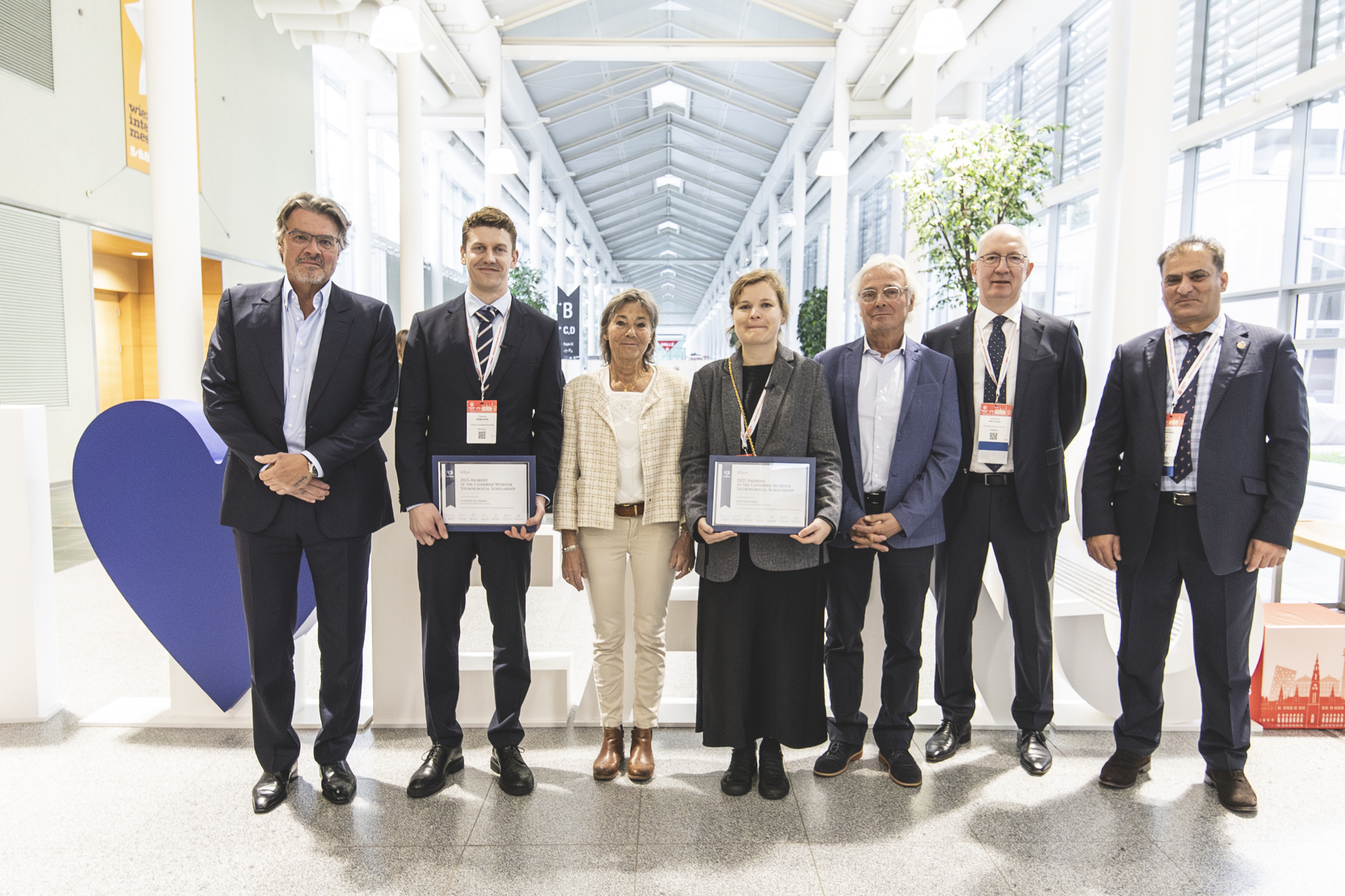
The Award Ceremony concluded on an emotional note with the presentation of the EANS Foundation – Neurosurgical Scholarship Catherine Wurster Awards. The awards were presented by Karl Schaller, Andreas Demetriades, and Johannes van Loon, and were given on behalf of the EANS Foundation to two outstanding recipients – Sofie Dietvorst and Claudius Jelgersma – in recognition of their exceptional dedication, surgical skill, and vision for the future of neurosurgery.
The day concluded with eight parallel sessions spanning the full spectrum of neurosurgery, each contributing to the shared mission of advancing understanding and improving patient care.
A day dense with information, vibrant with discussion, and rich in new knowledge – leading seamlessly into an evening of relaxed conversations among friends and colleagues.
EANS Research Fund
Supporting the Next Generation of Neurosurgeons
Are you inspired by all the interesting scientific findings on display here in Vienna? Do you have some great research ideas, but you are looking for ways to secure funding to move forward? Then the Research Fund is for you. If you are one of the successful applicants, you will earn a seed grant of €10,000- and your scientific journey will begin. Is it easy to get? Well, it is highly competitive, with approval rates at approximately 10-15%.
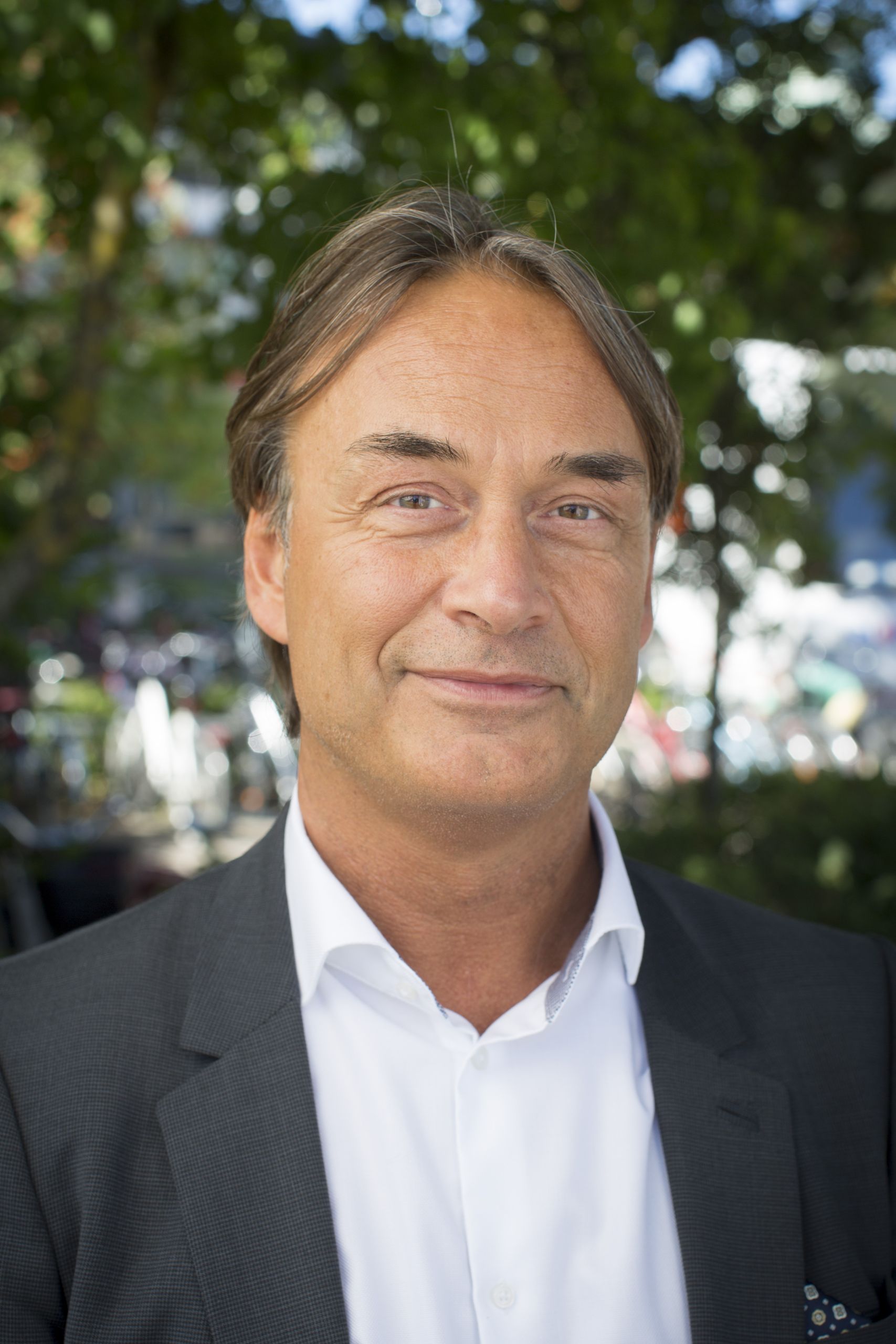
However, one should be confident that their application will be evaluated based solely on scientific merit, as all applications are assessed by four experienced reviewers. Of course, research on any neurosurgical topic is welcome, including experimental and/or clinical studies.
As it is often easier to develop a strong application when working in a centre with established research experience and funding, many of the Research Fund awards have been granted to applicants from well-known institutions in countries such as Germany, Switzerland, Italy, the Netherlands, and the UK.
To truly disperse research excellence throughout Europe, the EANS is now launching the 2nd Research Track (named the WIDERA track after the EU initiative Widening participation and strengthening the European Research Area). Here, the EANS is sponsoring 2-4 grants of €15,000 each for a 6-month research visit for an applicant from a less scientifically experienced country, as identified by the WIDERA, to visit a more experienced and well-funded centre. The WIDERA track is officially launched at the Vienna congress.
We welcome all young, aspiring scientific neurosurgeons to apply to the Research Fund and to the WIDERA track of the Fund if you are eligible. Please visit the website soon, which will be updated with details on how to apply, eligibility criteria and deadline for applications.
Niklas Marklund
Board Member: Research Fund
EANS Frontiers Committee:
Consolidating Emerging Domains in Neurosurgery
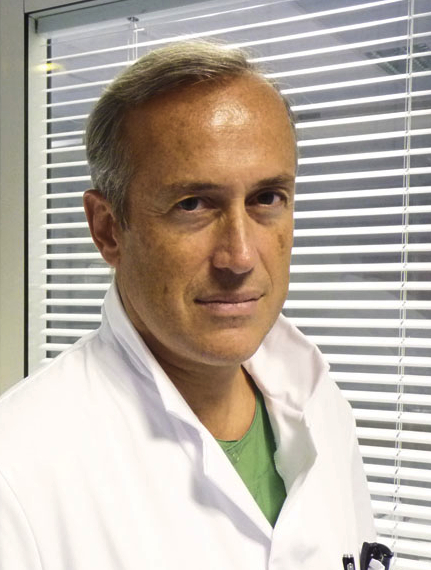
Recent shifts in specialty focus have led to a perceived decline in the role of neurosurgeons in certain areas, such as pain and spasticity management, peripheral nerve surgery, orbital surgery, and endovascular and carotid surgery. The EANS Frontiers in Neurosurgery Committee collaborates with the EANS sections and other subspecialty societies.
The Committee aims to counteract this trend through the identification, fostering, and creation of training, research, and networking opportunities for early-career neurosurgeons in Europe.
The Frontiers Committee has consolidated activity across radiosurgery, high-intensity focused ultrasound, neurosurgical pain and spasticity, and orbital tumours. We published a thematic special issue on neurosurgical cancer pain, delivered Frontiers sessions at recent EANS congresses, and prepared introductory content for each frontier that is scheduled for publication on the EANS website. The orbital tumour frontier has advanced discussions with the Training Course Committee on integrating frontier-specific learning objectives.
Planned work includes a structured webinar series developed with relevant Sections, along with advanced course concepts in radiosurgery and HIFU focusing on clinical decision pathways and technology adoption. The spasticity frontier will initiate a European survey to map practice patterns, training needs, and priorities. We will continue cross-sectional collaboration with EANS Sections and external partners to ensure coherent educational offers and to align research messaging.
We welcome colleagues who wish to contribute content or participate in upcoming surveys, webinars, and course design. To get involved, please contact Jean Régis at jean.regis@ap-hm.fr or Aaron Lawson McLean at aaron.lawsonmclean@med.uni-jena.de
The Frontiers in Neurosurgery Committee
EANS Awards Ceremony:
A Glimpse into the Future of Neurosurgery
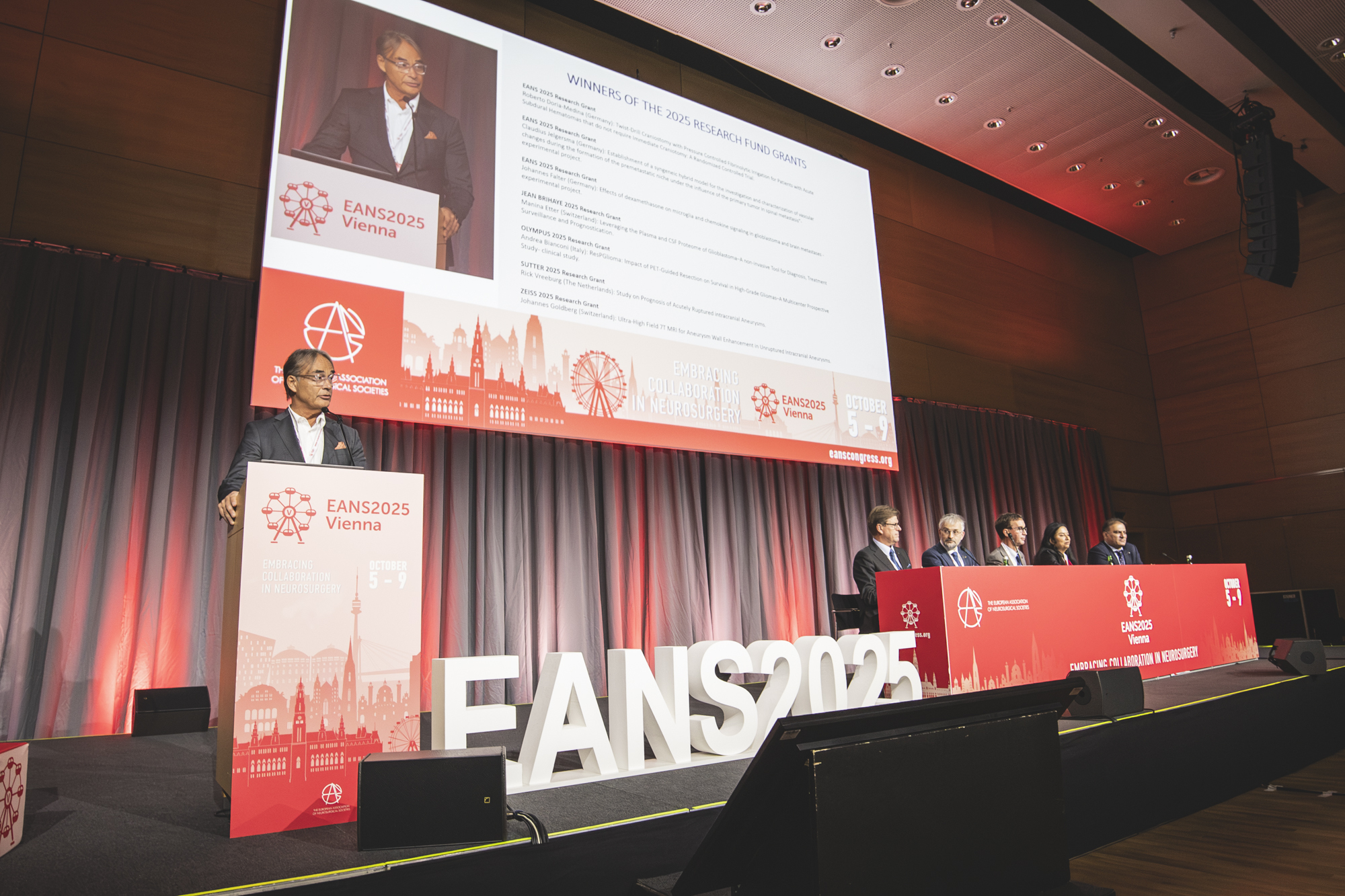

The Award Ceremony was more than just a celebration. It was a chance to learn from young researchers and feel inspired by what’s next in neurosurgery. During the Award Ceremony, the following awards were presented:
Aesculap
Best EANS 2025 Clinical Research Prize awarded by Katrin Rabiei, Chair of the Research Committee.
Lars Wessels, Localized Nicardipine Release Implants for Prevention of Vasospasm After Aneurysmal Subarachnoid Hemorrhage: A Randomised Clinical Trial
Best EANS 2025 Laboratory Research Prize awarded by Katrin Rabiei, Chair of the Research Committee.
Jan Kueckelhaus, Inferring Histology-Associated Gene Expression Gradients in Spatial Transcriptomic Studies
Furthermore, Niklas Marklund, Director of the EANS Research Fund, presented the EANS Research Fund Awards, recognising and celebrating the outstanding achievements of young researchers in the field of neurosurgery.
EANS2025 Research Grants winners:
Roberto Doria-Medina, Twist-Drill Craniostomy with Pressure Controlled Fibrinolytic Irrigation for Patients with Acute Subdural Hematomas that do not require Immediate Craniotomy: A Randomised Controlled Trial.
Claudius Jelgersma, Establishment of a syngeneic hybrid model for the investigation and characterisation of vascular changes during the formation of the premetastatic niche under the influence of the primary tumour in spinal metastasis”- experimental project.
Johannes Falter, Effects of dexamethasone on microglia and chemokine signaling in glioblastoma and brain metastases – experimental project
OLYMPUS 2025 Research Grant
Andrea Bianconi, ResPGlioma: Impact of PET-Guided Resection on Survival in High-Grade Gliomas–A Multicenter Prospective Study- clinical study.
ZEISS 2025 Research Grant
Johannes Goldberg, Ultra-High Field 7T MRI for Aneurysm Wall Enhancement in Unruptured Intracranial Aneurysms
JEAN BRIHAYE 2025 Research Grant
Manina Etter, Leveraging the Plasma and CSF Proteome of Glioblastoma–A non-invasive Tool for Diagnosis, Treatment Surveillance and Prognostication
SUTTER 2025 Research Grant
Rick Vreeburg, Study on Prognosis of Acutely Ruptured intracranial Aneurysms
The FEBNS Award Ceremony 2025
Honouring Excellence and Dedication in European
Neurosurgery
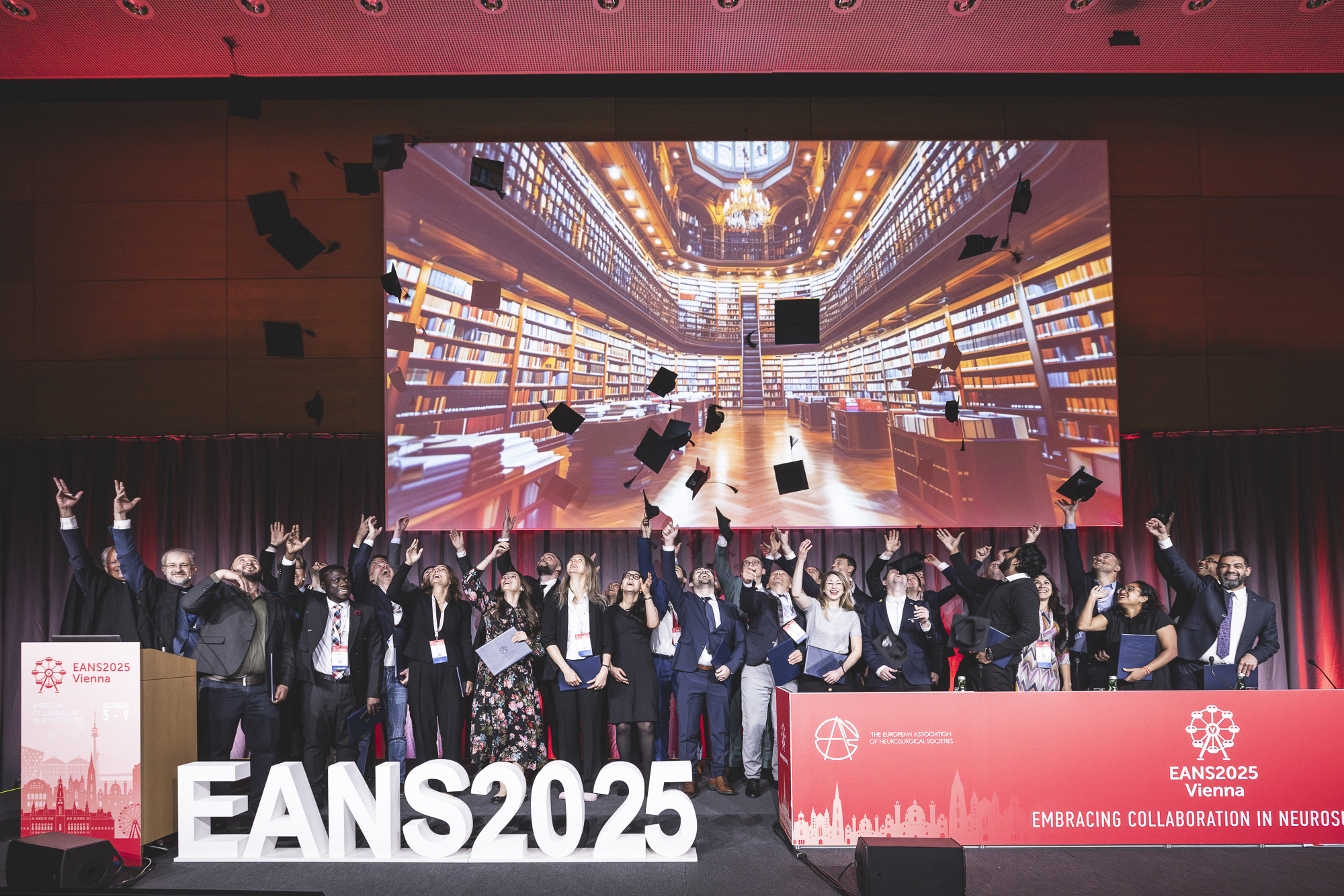
For the second year in a row, the European Association of Neurosurgical Societies (EANS) proudly celebrated the achievements of newly appointed Fellows of the European Board of Neurological Surgery (FEBNS). The ceremony, held during the EANS2025 Congress, once again provided an opportunity to recognise the dedication, perseverance, and excellence of neurosurgeons who successfully completed both Part I and Part II of the FEBNS examination.
This growing tradition is a testament to the commitment of the EANS and UEMS Section of Neurosurgery to fostering high standards in neurosurgical education and practice across Europe. The FEBNS Diploma signifies not only clinical competence but also a shared commitment to the continued advancement of the specialty.
During the ceremony, EANS President Torstein Meling, Examination Committee Chair Marcel Ivanov, and Wilco Peul, President of the UEMS Section of Neurosurgery congratulated the graduates, underlining the importance of continuous learning and collaboration in shaping the future of neurosurgery.
Special recognition was given to Martin Lehecka, who has served as Chair of the EANS Training Committee for the past two years in appreciation of his outstanding contribution to neurosurgical education – particularly his dedication to supporting residents and recent graduates throughout their training journey.
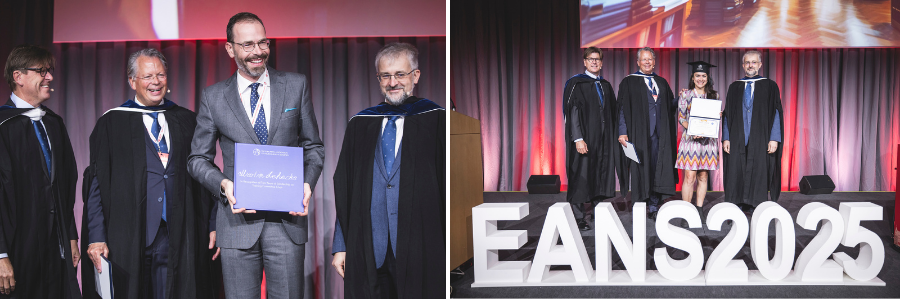
As this meaningful event becomes a regular tradition of the EANS Congress, it reinforces the values of excellence, innovation, and unity in the European neurosurgical community. We warmly congratulate all new FEBNS Fellows and look forward to their ongoing contributions to the field.
The FEBNS Award Ceremony 2025:
Honouring Excellence and Dedication in European Neurosurgery
Win a Free Registration to the EANS2026 Hamburg Congress!

Get a chance to win a free registration for the EANS2026 Congress in Hamburg. The steps are easy:
1. Snap a photo
2. Share it on your social media (LinkedIn, Instagram, Facebook, or X) using the official Congress hashtag #EANS2025
3. Ask your friends to vote for you by liking your post on the EANS2025 Social Wall
The post with the most likes on the EANS2025 Social Wall will win free registration to the Congress. Don’t miss out — Hamburg is waiting!
Now is the time to join the EANS family – a colourful, open, diverse, ever-evolving, and always on-the-move neurosurgical community.
Follow us on Social media and
stay tuned for the rest of the Journey!
