

EANS2025 Day 2
Fostering Collaboration, Strengthening Community
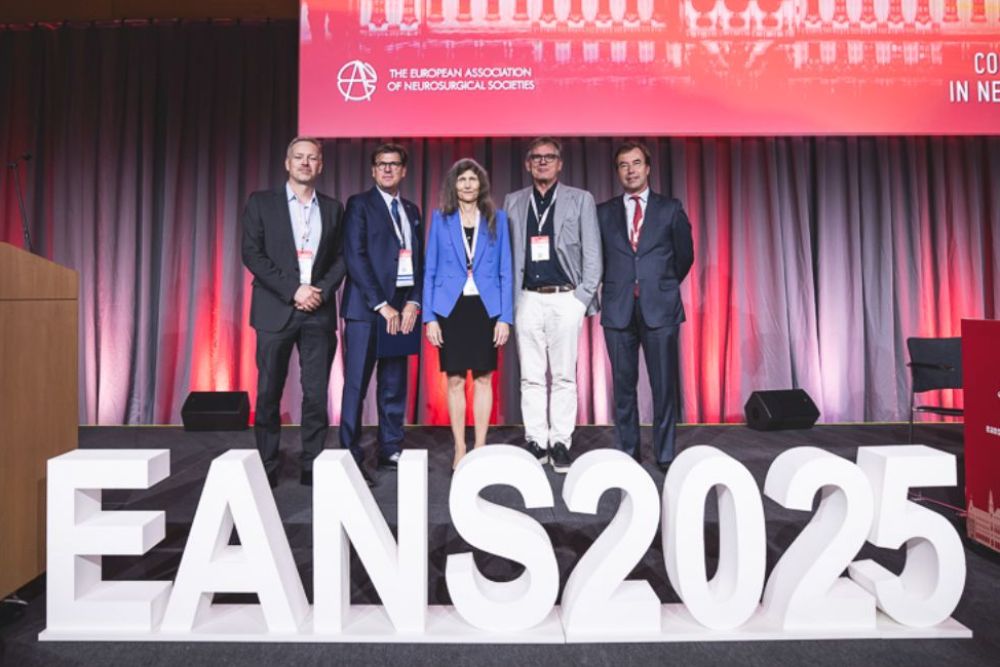
The opening day of the congress showcased a broad spectrum of neurosurgical innovation, uniting advances in neuro-oncology, spinal vascular surgery, skull base techniques, and neurotrauma.
The morning was dedicated to sellar and parasellar pathology, featuring presentations that spanned histological–radiological correlations in functional pituitary adenomas, prognostic factors in prolactinomas, the impact of vascular anatomy on resection rates, and the emerging role of radiomics as a diagnostic frontier. Clival chordomas and endonasal approaches to rare pathologies were also explored, with several speakers presenting predictive tools and outcome data shaping the next generation of practice.
Monday’s plenary opened with the neuro-oncology session, where Philipp Karschnia emphasised the importance of tailoring glioma resection strategies to molecular subtypes, while Roland Goldbrunner outlined the new EANS–EANO Guidelines defining modern principles of surgical treatment in gliomas.
The spinal vascular block followed, with Ruben Dammers, Jeroen Boogaarts, Andreas Raabe, and Peter Vajkoczy leading a masterclass that highlighted the importance of anatomical precision, early diagnosis, and functional preservation in managing spinal dural fistulas, cavernomas, and AVMs.
In the field of neurotrauma, Ellie Edlmann, Jiri Bartek, and Jehuda Soleman presented emerging treatments for chronic subdural hematoma, emphasising minimally invasive surgical and endovascular approaches as well as novel biologically targeted therapies.
A highlight of the morning was the Keynote Speeches session, chaired by Torstein R. Meling, Claudius Thomé, and Olaf Schijns. David Poeppel delivered a captivating lecture titled “Language in the Brain: Exciting Opportunities at the Intersection of Neurosurgery and Neuroscience,” offering a fresh look at how neurosurgical practice can benefit from cutting-edge cognitive neuroscience. Following this, Ingeborg Hochmair shared visionary insights in her keynote “The Future of Cochlear Implants and Other Implantable Neuroprostheses.” She discussed how neuroprosthetic devices are rapidly evolving and their potential to restore not only hearing but other neural functions, opening new frontiers in brain-machine interfaces.

Among the day’s standout moments was the EANS–ETOS Joint Meeting — which strongly reaffirmed that the orbit and the transorbital approach belong to neurosurgery.
The Skull Base Masterclass offered a truly masterful discussion on optimally invasive skull base surgery. Amir Dehdashti spoke on chordoma surgery, Henry W. S. Schroeder reflected on pituitary stalk management in craniopharyngiomas, Roy Daniel defended a nerve-centric approach for Koos IV vestibular schwannomas, and Thibault Passeri addressed the perennial dilemma of function versus radicality in petroclival meningiomas.
In the afternoon, the plenary session focused on improving surgical outcomes. Talks by Torstein R. Meling, Hakan Emmez, and Francesco Zenga emphasised complication avoidance, quality-of-life preservation, and the delicate balance between radical and safe resection. International registry data and award-winning abstracts on molecular and long-term outcomes further enriched the session with both scientific depth and clinical relevance.
Later, the joint meeting between the EANS Young Neurosurgeons Committee and the EANS Ethico-Legal Committee fostered an engaging discussion about the future of neurosurgery. The session encouraged open dialogue between young professionals and senior experts, addressing the ethical, legal, and professional challenges that will shape the evolution of the specialty in the years ahead.
The day concluded with a joint vascular and skull base session on dural AV fistulas. Perspectives covered the full therapeutic spectrum: microsurgical, endovascular, radiosurgical, as well as long-term clinical experience, underscoring the collaborative nature of modern vascular and skull base neurosurgery.
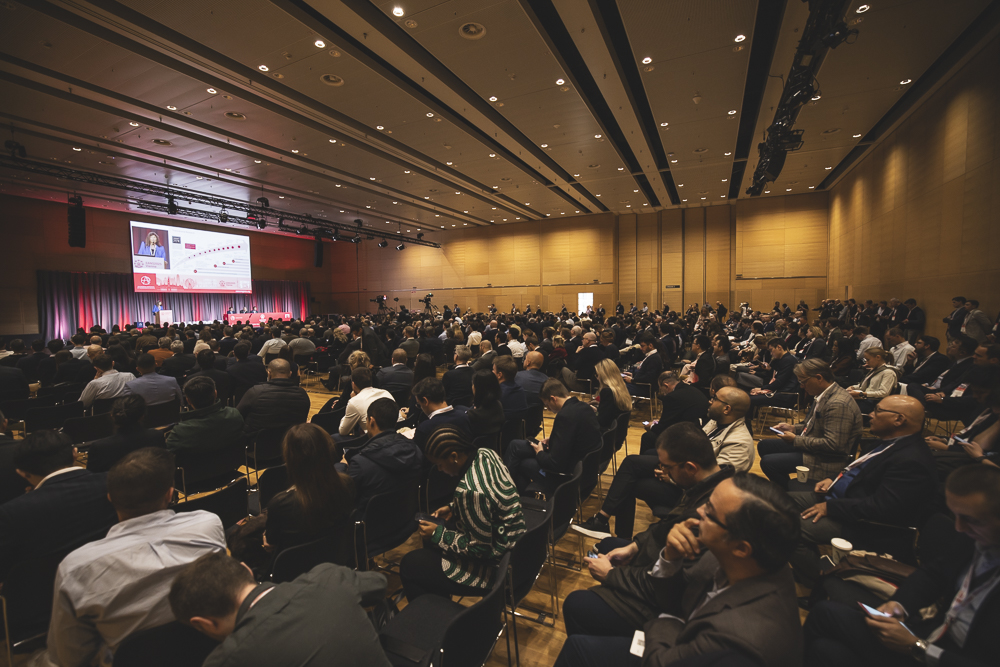
Across all sessions, a shared vision emerged: neurosurgery is moving decisively toward precision, personalisation, and preservation, where technology and biological insight converge to optimise patient outcomes.
The day ended in style with the Congress Dinner Party, bringing everyone together for an evening of celebration, connection, and unforgettable memories.
Advancing Neurosurgery Through Individual Membership:
The Heart of a Society’s Growth
As the living parliament of our members, the EANS Individual Membership Committee exists to listen, represent, and act—working with heart and purpose to turn your voices into meaningful progress.
Over the past year, the Individual Membership Committee of EANS has witnessed something truly special—a journey marked not only by innovation and progress but by the spirit of togetherness that defines who we are.
One of our proudest achievements has been the launch of IM Committee webinars, created with care to support our members’ unique journeys within EANS. These sessions reflect more than just education—they reflect our desire to listen, respond, and grow alongside you.
We’ve also embraced a new way to connect—with the EANS App, now home to a dedicated space where members and interest groups can find each other, share ideas, and collaborate with ease. It’s more than a digital hub; it’s a living, breathing reflection of our vibrant community.
Looking ahead, we’re thrilled to be launching our very first podcast season this winter—a space to celebrate the voices, stories, and perspectives that make our society so rich. It will be a platform not only for expert knowledge but for the real, human experiences that unite us across borders and backgrounds.
We’re also proud that several of our webinars are now officially accredited, a meaningful step toward making high-quality learning even more accessible for all. And with the insights gathered from our recent EANS survey, we will listen more closely than ever—shaping our path forward based on what you need, dream, and hope for.
To our new delegates: welcome! You are not just joining a committee—you are becoming part of a family. Your voices matter deeply. Your ideas inspire us. And your presence lights up this new chapter with energy, possibility, and hope.
So thank you—for believing in this community, for growing with us, and for building a future together that is bright, bold, and full of heart.
At the heart of everything we do are you—our members. You are the soul of EANS. Your dedication, your passion, your willingness to show up and contribute—it’s what makes every success possible.
With gratitude,
EANS Individual Membership Committee
EANS & Presidents of Member Societies Business Meeting
Strengthening Bonds Across Europe
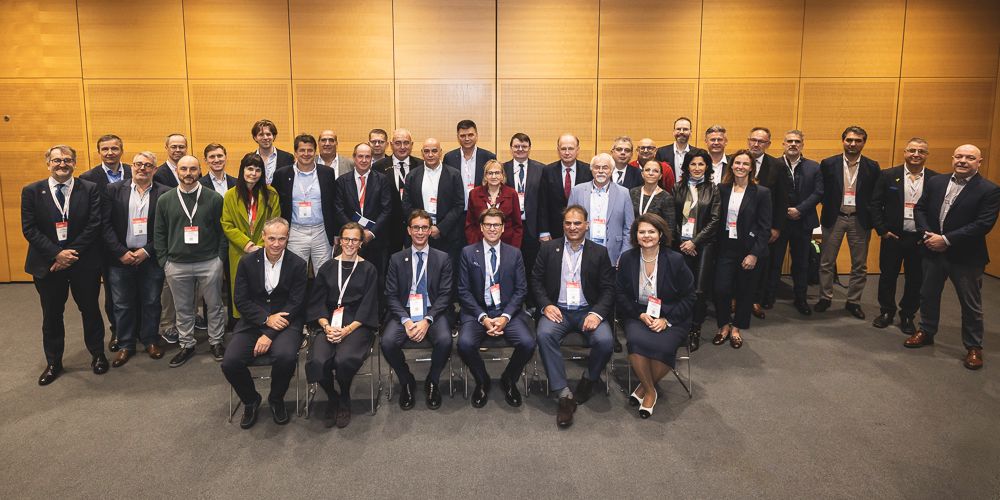
Representatives from the National Societies gathered for the EANS & Presidents of Member Societies Business Meeting during the EANS2025 Vienna Congress, an occasion dedicated to fostering dialogue, collaboration, and mutual support across Europe’s neurosurgical community.
In a friendly and collegial setting, attendees exchanged ideas, discussed common challenges, and explored new partnership opportunities. The event highlighted the importance of collective action and reaffirmed EANS’s commitment to uniting national societies under a common vision for advancing neurosurgery.
EANS Peripheral Nerve Surgery Pre-Congress Course
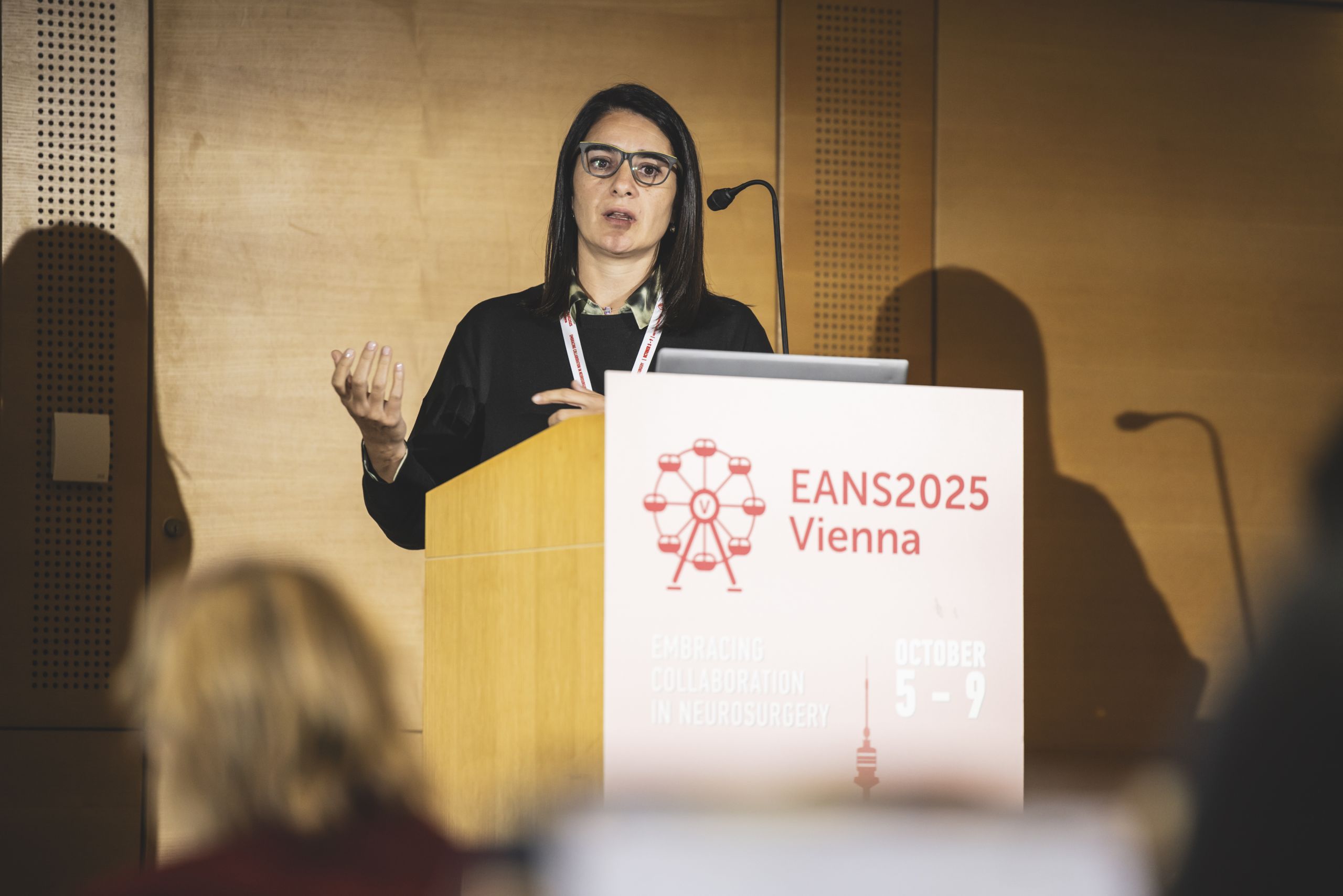
The EANS proudly hosted the Peripheral Nerve Surgery Pre-Congress Course on 5 October 2025 in Vienna, Austria.
This intensive one-day event brought together 61 delegates from across Europe and beyond, eager to gain a comprehensive 360° perspective on one of the most intricate and rewarding subspecialties in neurosurgery – peripheral nerve surgery.
The course featured an outstanding international faculty of 21 experts, who shared their knowledge, surgical experience, and insights through high-level lectures and interactive case discussions. Designed for neurosurgeons wishing to deepen their expertise, the programme offered a perfect balance between theory and practice, covering the three key domains of the field – nerve trauma, tumor, and compression – along with essential topics such as physical examination, imaging, and electrophysiology.
Participants gained a valuable understanding of pathophysiology, treatment strategies, pitfalls, and recent advances, while lively discussions provided an opportunity to exchange experiences and perspectives. True to the EANS educational spirit, the course emphasised interaction, dialogue, and peer learning, creating an inspiring and collaborative environment.
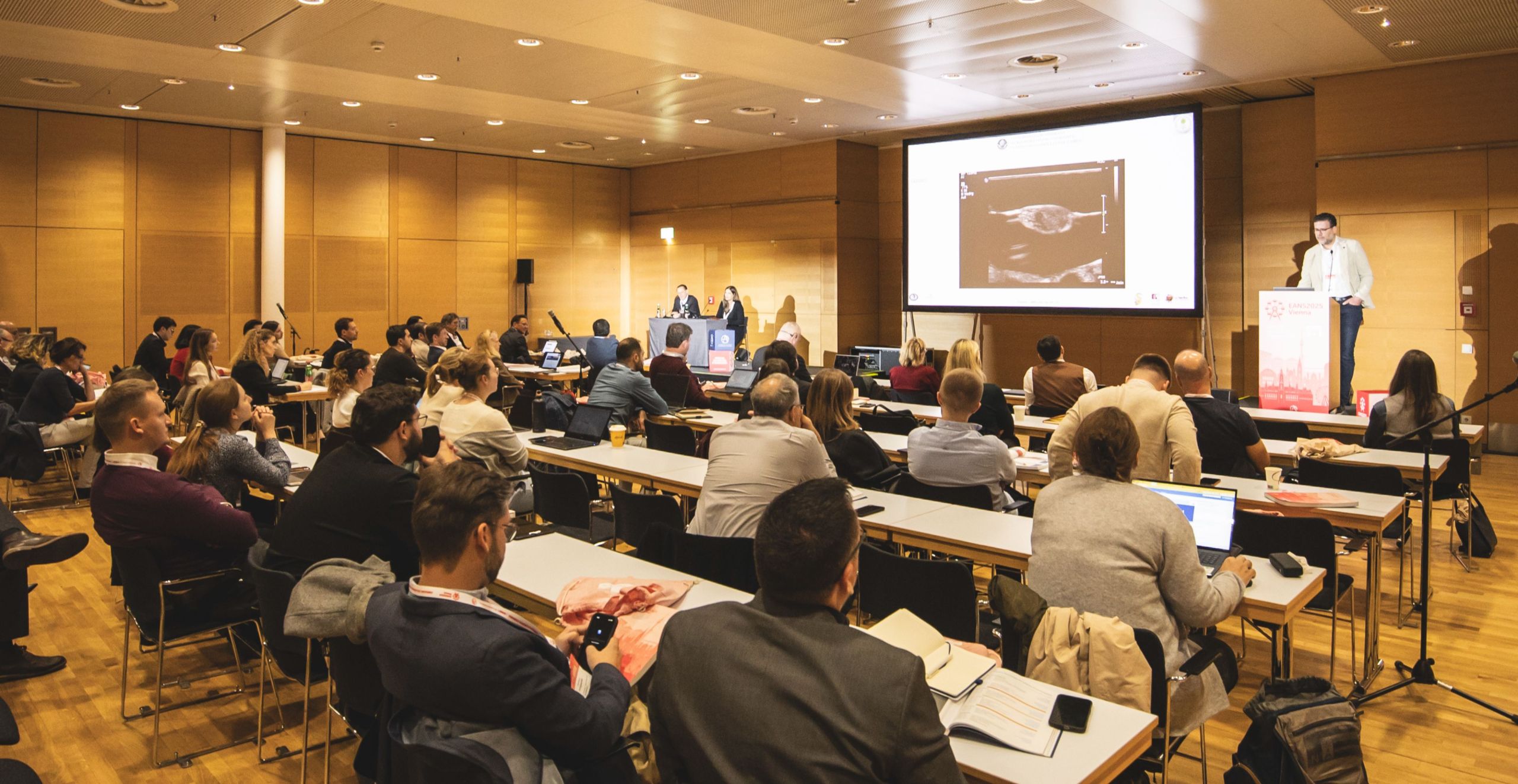
With its 21 distinguished faculty members and the active engagement of 61 delegates, the EANS Peripheral Nerve Surgery Pre-Congress Course proved to be a unique, high-level educational experience, further strengthening the role of peripheral nerve surgery within the neurosurgical community.
New EANS-EANO Guidelines on Glioma Resection:
Key Recommendations
We are proud to share that a joint task force from the EANS and EANO has released new guidelines on the extent of resection (EOR) for gliomas, clarifying surgical strategies based on tumor type and molecular profile.
For newly diagnosed glioblastoma (GBM), a Level A recommendation supports complete resection, backed by strong Class I evidence. However, for recurrent GBM, the evidence is weaker, leading to only a Level C recommendation.
In IDH-mutant gliomas, a Level B recommendation supports resection at diagnosis. For recurrent IDH-mutant tumors, the guideline offers a “good practice point,” suggesting re-resection is a reasonable option.
For most CNS WHO grade 1 tumors and adult ependymomas, the evidence remains limited to case series, resulting in “good practice point” recommendations for surgery. In pediatric ependymoma, a Level B recommendation supports complete resection.
The guidelines standardize terminology, advocating for “complete resection” as the goal when achievable, and introduce the concept of “supramaximal resection.”
Future challenges include gathering better data on recurrent gliomas and defining the role of advanced techniques like 5-ALA and iMRI. Molecular profiling is emphasized as essential for modern management, underscoring the need to “get tissue” for accurate diagnosis and treatment planning.
The joint EANS-EANO task force marks a two year collaborative effort between the two societies, led by Roland Goldbrunner and Matthias Simon from the EANS Section of Neuro-oncology. It showcases our commitment to the EANS Guidelines Development Project, spearheaded by our Immediate Past President Andreas Demetriades. Please read the guidelines document here
EANS IM Welcome Reception: Celebrating our Individual Members

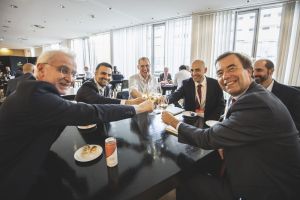
In a warm and engaging atmosphere, EANS members gathered once again in the IM Lounge for a special reception celebrating their ongoing commitment and contribution to the organisation. Members were invited to enjoy refreshments, share experiences, and take part in lively discussions.
The event fostered meaningful connections and a genuine sense of community among members. It was not only a moment to acknowledge their continued involvement but also an opportunity to inspire future collaboration and strengthen the spirit of innovation within the EANS network.
Win a Free Registration to the EANS2026 Hamburg Congress!

Get a chance to win a free registration for the EANS2026 Congress in Hamburg. The steps are easy:
1. Snap a photo
2. Share it on your social media (LinkedIn, Instagram, Facebook, or X) using the official Congress hashtag #EANS2025
3. Ask your friends to vote for you by liking your post on the EANS2025 Social Wall
The post with the most likes on the EANS2025 Social Wall will win free registration to the Congress. Don’t miss out — Hamburg is waiting!
Now is the time to join the EANS family – a colourful, open, diverse, ever-evolving, and always on-the-move neurosurgical community.
Follow us on Social media and
stay tuned for the rest of the Journey!
